Best furniture material good for cats: the practical answer
The most cat-friendly furniture materials are tight-weave performance fabrics (especially microfiber) and top-grain leather, paired with hard woods like maple or oak for exposed frames. These choices reduce claw snagging, hide fur better, and clean up faster than loose weaves or delicate surfaces.
If you want one “safe bet” combination: a performance microfiber sofa (tight weave, high abrasion rating) with a hardwood frame and a durable clearcoat finish. It’s the closest thing to “low regret” when cats are in the home.
Upholstery fabrics that resist claws and snagging
What “scratch-resistant” really means for fabric
Cats don’t “cut” fabric like a knife; they catch loops and pull yarns. So the winning trait is usually a tight, flat weave with low pile and no loops, not just a thick fabric.
Best fabric options
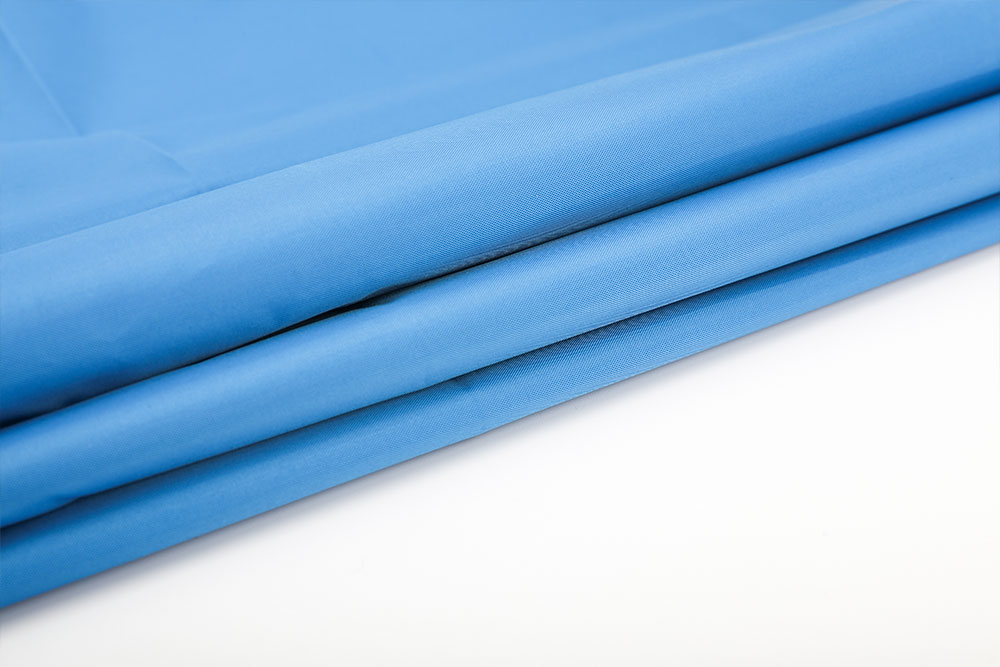
- Performance microfiber (polyester): tight weave, low snag risk, wipes clean, fur releases easily with a rubber brush.
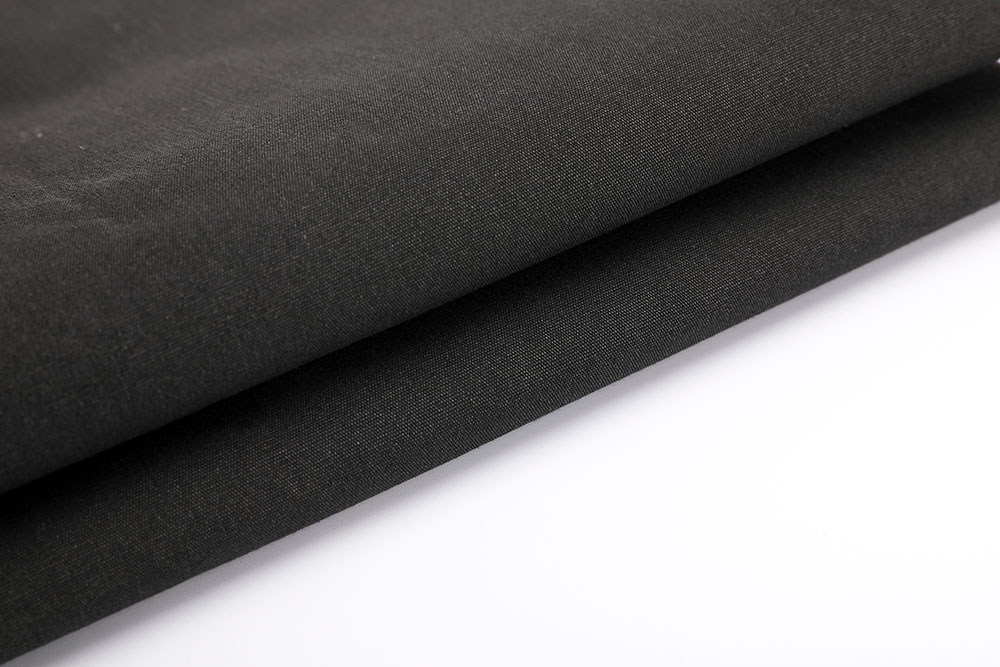
- Canvas/duck cloth (cotton or cotton blend): dense plain weave that resists pulls better than textured weaves.
- Denim/chambray: durable, forgiving, and hides minor pulls; choose darker washes if your cat sheds light fur.
- Solution-dyed acrylic (indoor/outdoor-style): strong yarn, stain resistant, and colorfast; great for sunlit rooms and easy cleaning.
Fabric specs to look for on the tag
- Martindale abrasion: aim for 30,000+ (heavy residential), and 50,000+ if you want “built for chaos.”
- Wyzenbeek double rubs: aim for 50,000+ for heavy use.
- Weave type: plain weave/twill generally snags less than boucle, tweed, or anything loopy.
Helpful rule: if you can catch your fingernail in the fabric texture, claws can too. Smooth, tight fabrics usually win.
Leather and faux leather: great for fur and spills, mixed for scratching
Top-grain leather is one of the easiest surfaces for cat hair and small spills. Fur doesn’t embed the way it does in fabric, and a quick wipe often solves most messes.
When leather works best
- Your cat mostly sheds and lounges (not a dedicated scratcher).
- You want “wipe-clean” convenience for hairballs, drool, or tracked litter.
- You can accept that punctures are possible (even if rare), and minor scuffs may show.
Avoid these leather-like choices if cats scratch furniture
- Bonded leather: thin surface layer can peel once damaged.
- Low-quality PU faux leather: tends to crack/flake over time, and claw nicks can accelerate failure.
If you want the “leather feel” but better scratch forgiveness, consider a thick performance microfiber in a leather-like color and grain pattern—it often hides wear more gracefully.
Wood, veneer, and finishes for cat-friendly frames and legs
Cats commonly rub corners, bite edges, and launch off arms—so the frame and finish matter. Harder woods dent less and hold up better when a cat uses furniture as a runway.
Hardwood picks (with example hardness)
Janka hardness is a useful proxy for dent resistance. Higher numbers generally mean a tougher surface.
| Material |
Typical Janka hardness (lbf) |
Why it’s good (or not) with cats |
| Hard maple |
~1450 |
Very dent-resistant; holds crisp edges and legs well |
| White oak |
~1360 |
Tough, stable, and forgiving for everyday impacts |
| Hickory |
~1820 |
Extremely tough; great for legs/edges that get knocked |
| Poplar |
~540 |
Common in painted furniture; dents easier |
| Pine (varies) |
~380–870 |
Budget-friendly but dents/scratches show quickly |
Janka hardness examples help estimate how well wood resists dents from claws, jumps, and everyday impacts.
Finishes that handle rubbing and easy cleanup
- Water-based polyurethane: clear, durable, and easier odor-wise; good for modern pieces.
- Conversion varnish / catalyzed finishes: very durable; common on higher-end factory furniture.
- Matte or satin sheen: hides micro-scratches and nose-rub marks better than high gloss.
If you have veneer furniture, prioritize thicker, higher-quality veneer with well-sealed edges. Cats that chew edges can lift thin veneers over time.
Cushion and fill materials that stay supportive with cat use
Cats concentrate weight in small points (paws, elbows) and often “knead.” Over time, that can accelerate flattening in lower-quality fills.
Most durable cushion builds
- High-resilience (HR) foam: holds shape better than basic polyurethane foam.
- Foam core + fiber wrap: keeps a tailored look while staying comfortable.
- Latex foam (when available): springy and durable, often long-lasting for seat cushions.
Features that make maintenance easier
- Removable cushion covers: simplifies fur cleanup and spot treatment.
- Replaceable seat cushions: lets you refresh the “wear layer” without replacing the whole sofa.
Materials that are usually a bad match for cats
Some materials fail not because they’re “weak,” but because their structure invites claw engagement or shows damage immediately.
- Bouclé, tweed, and loose weaves: looped yarns snag and pull easily.
- Delicate velvet/silk blends: can show tracks, pulls, and sheen changes from kneading and rubbing.
- Low-grade faux leather: cracks/peels; claw nicks can become spreading failure points.
- Softwoods with thin finishes (many budget pine pieces): dents and edge damage show quickly.
If you love the look of a textured fabric, choose a “performance” version with a tighter construction—and get a large swatch to test with a fingernail snag check before buying.
Quick buying checklist for cat-friendly furniture
Use this checklist to confirm you’re choosing furniture material good for cats, not just “pretty in the showroom.”
- Pick a tight, smooth upholstery (microfiber/canvas/denim/performance fabric) or top-grain leather.
- Look for abrasion ratings: 30,000+ Martindale or 50,000+ Wyzenbeek if available.
- Prefer removable covers or at least removable cushions for cleaning and repairs.
- Choose hardwood legs/rails (maple/oak) and a matte/satin durable finish.
- Avoid looped textures (bouclé/tweed) if your cat scratches upholstered surfaces.
- Match color to shedding: mid-tones and heathers often hide fur better than pure black/white.
Maintenance tips that extend the life of cat-friendly materials
Simple routines that work
- Use a rubber brush or damp microfiber cloth weekly to lift fur from tight weaves.
- Trim claws regularly to reduce snagging and punctures (even with “scratch-resistant” materials).
- Place a scratching post (sisal is popular) within a few feet of the sofa corner cats target.
- For leather, wipe with a slightly damp cloth; condition occasionally per manufacturer guidance to reduce visible scuffs.
Fast fixes for minor damage
- Pulled thread on woven fabric: gently pull it to the back with a needle rather than cutting it on the surface.
- Microfiber scuffs: lightly brush with a soft bristle brush to reset the nap.
- Wood edge rub marks: a matching furniture marker plus a protective wax layer can reduce visibility quickly.
Summary: best picks by situation
If your main goal is fewer snags: choose tight-weave performance microfiber or canvas-style upholstery.
If your main goal is easiest fur cleanup: choose top-grain leather or smooth performance microfiber.
If your cat launches and bumps furniture: choose hardwood legs/rails (maple/oak/hickory) with a matte or satin durable finish.
Overall best all-around furniture material good for cats: a tight-weave performance fabric sofa with removable covers and a hardwood frame.



 English
 Español
 日本語
 한국어
 Português
 中文简体

 Email: [email protected]
 Tel: +86-512-63221899

