Understanding Fabric Prints and Their Categories
Fabric prints encompass an extraordinary range of patterns and designs applied to textiles through various printing methods. The main categories include floral, geometric, abstract, novelty, animal, ethnic, and conversational prints, each serving distinct aesthetic and functional purposes in fashion, home décor, and textile design. The global printed textile market reached $167.8 billion in 2023, demonstrating the enduring popularity and commercial significance of printed fabrics across industries.
Understanding the different types of fabric prints enables designers, sewers, and consumers to make informed choices for their projects. Each print type carries its own visual language, cultural associations, and practical applications that influence how fabrics are perceived and utilized in various contexts.
Floral Prints: The Timeless Classic
Floral prints remain the most popular fabric pattern category worldwide, accounting for approximately 35% of all printed textile sales. These designs feature botanical elements ranging from realistic garden flowers to stylized interpretations.
Major Floral Print Styles
- Liberty prints: Small-scale, intricate floral designs originating from Liberty of London, featuring delicate flowers in sophisticated color palettes
- Tropical florals: Bold, oversized flowers like hibiscus and bird of paradise in vibrant colors, popular in resort wear
- Vintage florals: Reproduction prints inspired by 1920s-1970s designs, often featuring roses, peonies, or wildflowers
- Chintz: Glazed cotton featuring dense floral patterns, traditionally used in upholstery and drapery
- Ditsy florals: Tiny, scattered flowers creating an all-over pattern, ideal for garments and quilting
Floral prints perform exceptionally well in women's fashion, particularly in spring and summer collections where they can represent up to 60% of seasonal fabric selections. The versatility of floral designs allows them to transition across casual, professional, and formal applications.
Geometric Prints: Precision and Structure
Geometric prints utilize mathematical shapes, lines, and patterns to create visual interest through repetition and symmetry. These prints have experienced a 42% increase in popularity since 2020, particularly in contemporary interior design and modern fashion.
Common Geometric Pattern Types
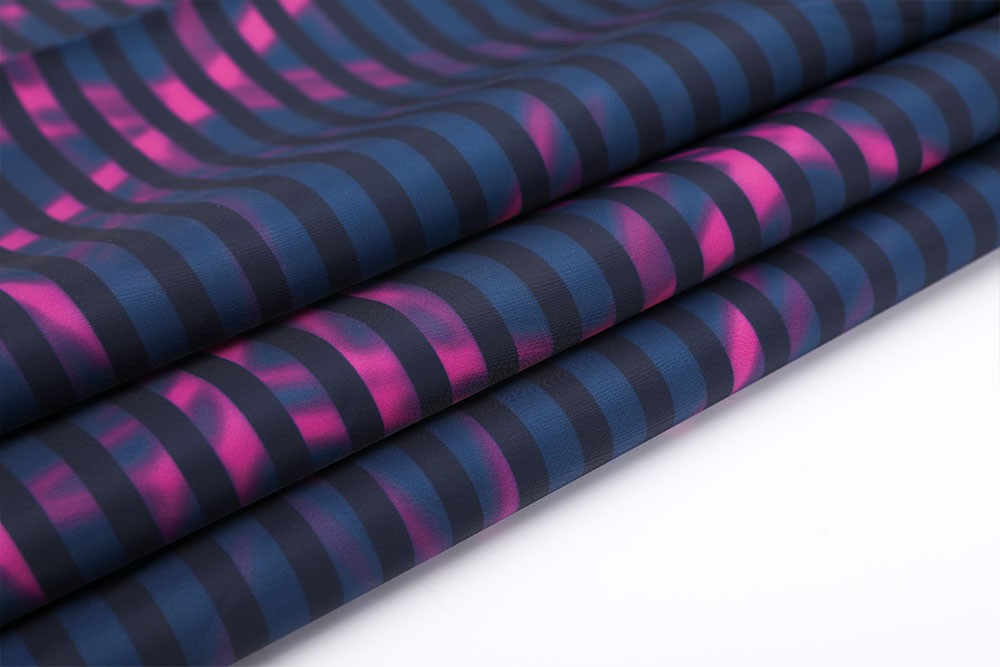
- Stripes: Parallel lines in varying widths, from pinstripes to bold awning stripes, offering visual elongation
- Polka dots: Circular motifs in regular or random placement, available in sizes from micro dots to large circles
- Chevron and zigzag: V-shaped patterns creating dynamic directional movement
- Houndstooth: Broken check pattern creating a tooth-like appearance, classic in tailoring
- Lattice and trellis: Interlocking diagonal or crossed lines forming grid-like structures
- Hexagons and tessellations: Interlocking polygonal shapes creating seamless patterns
Geometric prints excel in creating optical effects and modern aesthetics. They're particularly favored in menswear, activewear, and minimalist design contexts where clean lines and structure are valued.
Animal and Jungle Prints: Natural Inspiration
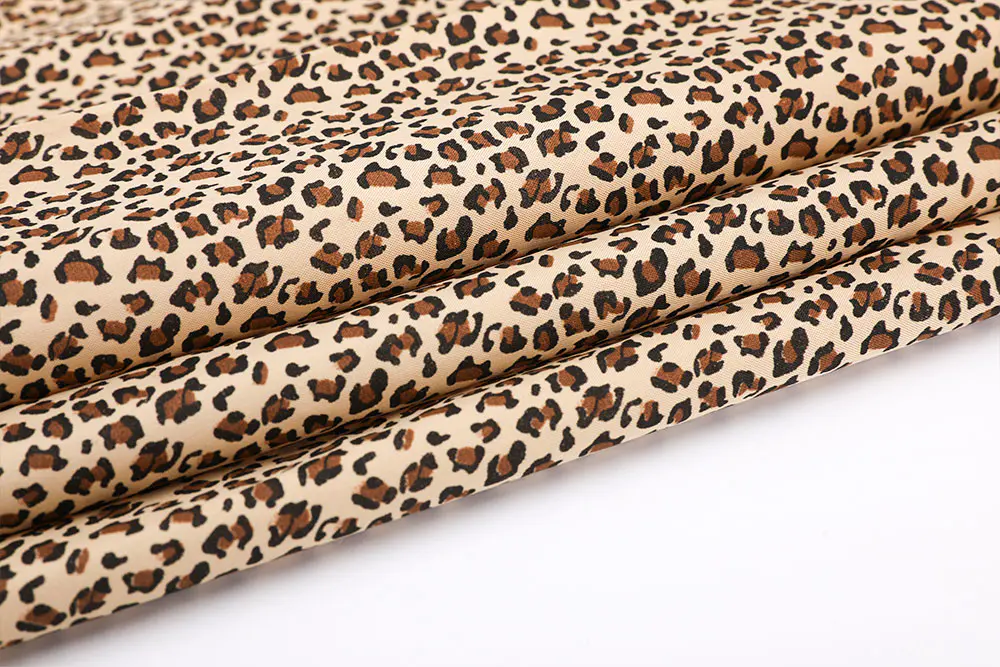
Animal prints replicate the patterns found on animal skins and coats, creating bold, attention-grabbing fabrics. Leopard print alone accounts for 18% of animal print fabric sales, making it the most commercially successful pattern in this category.
| Print Type |
Characteristics |
Common Applications |
| Leopard |
Rosette spots on tan/gold background |
Fashion accessories, outerwear, upholstery |
| Zebra |
Bold black and white stripes |
Home décor, statement garments |
| Snake |
Scale patterns in various colorways |
Footwear, handbags, trim details |
| Giraffe |
Irregular polygonal patches |
Children's items, novelty apparel |
| Cheetah |
Solid spots without rosette centers |
Sportswear, athleisure |
Popular animal print variations and their typical uses in textile design
Animal prints cycle in and out of mainstream fashion approximately every 7-10 years, with leopard print maintaining consistent baseline popularity regardless of trend cycles. These prints work particularly well as accent pieces or statement elements rather than head-to-toe applications.
Abstract and Artistic Prints: Creative Expression
Abstract prints encompass non-representational designs that emphasize color, form, and texture without depicting recognizable objects. This category has grown significantly, representing 22% of designer fabric collections in recent years.
Abstract Print Subcategories
- Watercolor effects: Soft, blended color transitions mimicking painted washes
- Brushstroke patterns: Bold, gestural marks suggesting artistic spontaneity
- Marble and stone effects: Organic veining and color variations found in natural materials
- Splatter and speckle: Random dot patterns creating energetic visual texture
- Ombré and gradient: Gradual color transitions from light to dark or between hues
Abstract prints offer exceptional versatility for designers seeking unique, artistic expressions. They perform particularly well in contemporary fashion and modern interior design, where they can serve as focal points without competing with other design elements.
Ethnic and Cultural Prints: Heritage Patterns
Ethnic prints draw inspiration from traditional textile arts and cultural heritage worldwide. These patterns carry deep historical significance and have experienced a 38% market growth as consumers increasingly value cultural authenticity and artisanal craftsmanship.
Notable Ethnic Print Traditions
- Ikat: Central Asian resist-dyeing technique creating characteristic blurred edges and geometric patterns
- Paisley: Persian-inspired teardrop motifs, commercially popularized in 19th-century Scotland
- African wax prints: Bold, colorful patterns originally created through batik methods, now predominantly roller-printed
- Suzani: Central Asian embroidered patterns featuring circular florals and sun motifs
- Batik: Indonesian wax-resist technique producing intricate patterns with distinctive crackle effects
- Kilim patterns: Geometric designs from Turkish and Middle Eastern flat-weave rugs
- Toile de Jouy: French pictorial scenes depicting pastoral landscapes, originally produced in Jouy-en-Josas in 1760
When incorporating ethnic prints, designers should consider cultural sensitivity and attribution, ensuring patterns are used respectfully and, when possible, sourcing from artisans within the originating cultures.
Conversational and Novelty Prints: Storytelling Through Pattern
Conversational prints feature recognizable objects, scenes, or themes that "tell a story" on the fabric surface. These whimsical designs particularly dominate children's textiles, where they represent approximately 65% of all printed fabrics.
Popular Conversational Print Themes
- Food and beverage: Fruits, vegetables, coffee cups, pastries, and culinary motifs
- Transportation: Cars, airplanes, boats, bicycles, and vehicles of all types
- Nautical themes: Anchors, ships, lighthouses, and maritime elements
- Nature scenes: Forests, mountains, beaches, and landscapes
- Holiday and seasonal: Snowflakes, pumpkins, hearts, and celebration-specific imagery
- Hobbies and interests: Musical instruments, sports equipment, books, and recreational activities
Novelty prints serve both decorative and communicative functions, allowing wearers and decorators to express personal interests and affiliations. They're particularly effective in casual wear, children's products, and themed collections.
Plaid and Check Patterns: Classic Woven-Look Prints
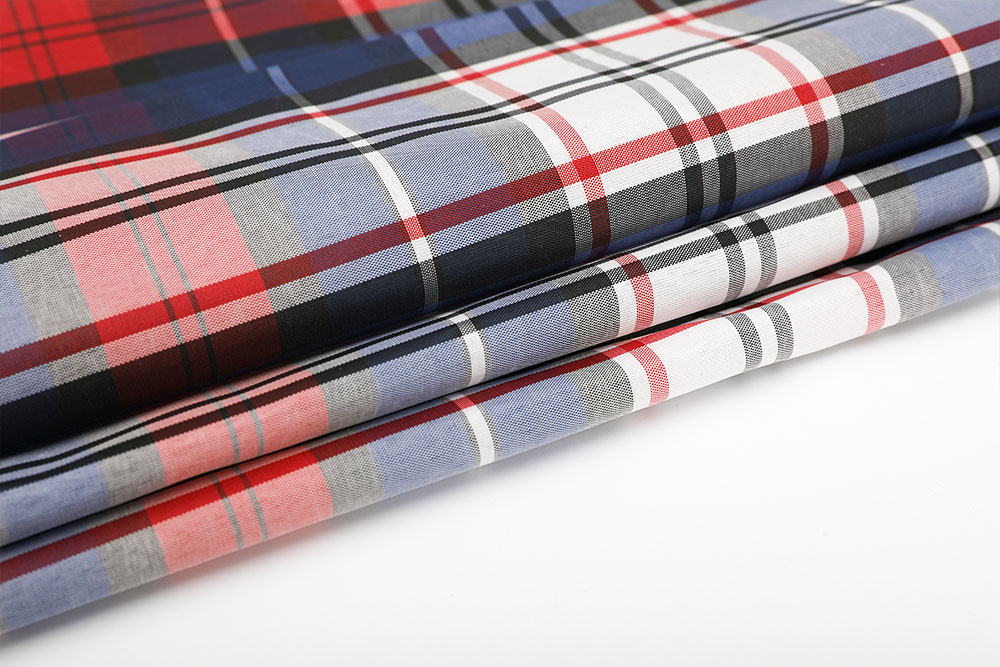
While traditionally created through weaving, plaid and check patterns are frequently printed onto fabrics, accounting for 28% of printed textile production in fall and winter seasons.
| Pattern Name |
Description |
Typical Scale |
| Tartan |
Complex intersecting stripes in clan-specific arrangements |
Medium to large |
| Gingham |
Equal-width checks in two colors, typically with white |
Small to medium |
| Buffalo Check |
Large, bold two-color blocks, often red and black |
Large |
| Madras |
Multicolored plaid with irregular spacing |
Medium |
| Windowpane |
Single-line grid creating square frames |
Medium to large |
| Glen Plaid |
Small and large check combination, often with overcheck |
Small to medium |
Common plaid and check patterns with distinguishing characteristics
Plaid patterns carry strong associations with specific aesthetics—from preppy and collegiate to rustic and outdoorsy. They remain staples in shirting, flannel fabrics, and casual wear across all demographics.
Printing Techniques and Their Impact on Pattern Quality
The method used to apply prints significantly affects pattern clarity, color vibrancy, durability, and cost. Understanding these techniques helps in selecting appropriate fabrics for specific applications.
Major Fabric Printing Methods
- Screen printing: Uses mesh screens to apply each color separately; excellent for bold graphics with up to 12 colors, highly durable, cost-effective for large runs of 500+ yards
- Rotary screen printing: Automated version using cylindrical screens; produces up to 3,000 yards per hour, ideal for continuous patterns and high-volume production
- Digital printing: Inkjet technology applying designs directly from computer files; allows unlimited colors, no minimum order quantities, perfect for custom and small-batch production, increasingly popular with 45% annual growth
- Block printing: Hand-carved wooden blocks stamp patterns; creates artisanal, slightly irregular results valued for authenticity, labor-intensive with production of 10-30 yards daily per artisan
- Roller printing: Engraved copper rollers transfer designs; vintage technique producing fine detail and up to 16 colors, largely replaced by modern methods but still used for heritage fabrics
- Discharge printing: Removes dye from pre-colored fabric to create patterns; produces soft hand-feel, limited to fabrics that can withstand bleaching agents
- Heat transfer printing: Uses heat to transfer designs from paper to fabric; excellent for synthetic fabrics, particularly polyester with 95%+ transfer efficiency
Digital printing has revolutionized small-scale and custom fabric production, enabling designers to create limited-edition prints without the traditional minimum order quantities of 1,000+ yards required for screen printing setups.
Selecting Prints for Specific Applications
Choosing appropriate fabric prints requires considering the end use, target audience, and practical performance requirements. Scale, repeat size, and pattern direction fundamentally affect how prints function in finished products.
Scale Considerations
- Small-scale prints (under 2 inches): Read as texture from a distance, suitable for garments on all body types, minimal pattern matching required, ideal for quilting and children's clothing
- Medium-scale prints (2-6 inches): Most versatile category, works for most applications, requires moderate pattern matching attention
- Large-scale prints (over 6 inches): Make bold statements, best for large surfaces like drapery and upholstery, require careful placement in garments, can add 15-25% to fabric requirements for pattern matching
Application-Specific Recommendations
- Quilting: Small to medium florals, geometrics, and conversational prints; directional prints require additional planning
- Apparel: Consider body proportions—vertical stripes elongate, large prints can overwhelm smaller frames; placement prints highlight specific garment areas
- Upholstery: Durable prints with tight repeats hide wear better; avoid directional patterns on cushions that rotate; consider 15,000+ double rub abrasion resistance
- Drapery: Large-scale patterns showcase well; ensure pattern alignment across multiple panels; consider light transparency with darker prints
- Bedding: Coordinating scales create visual interest; larger prints on duvets, smaller on sheets and pillowcases
Professional designers typically create sample mock-ups before committing to large fabric purchases, particularly for garments and home décor projects where pattern placement significantly impacts the final aesthetic.
Trend Cycles and Print Longevity
Fabric print trends follow predictable cycles, though certain classics maintain consistent appeal. Industry analysis shows trend cycles typically span 3-7 years from emergence to mainstream adoption to decline.
Evergreen Print Categories
- Classic stripes: Maintain consistent 15-20% market share annually regardless of trend cycles
- Traditional florals: Seasonally appropriate patterns remain stable sellers
- Basic polka dots: Timeless appeal across demographics and applications
- Small-scale geometrics: Versatile foundations for coordinating collections
For investment pieces like upholstered furniture expected to last 10-15 years, designers recommend selecting prints with proven longevity rather than trendy patterns that may feel dated within 2-3 years. Fashion applications can embrace more experimental and trend-forward prints given shorter product lifecycles.



 English
 Español
 日本語
 한국어
 Português
 中文简体

 Email: [email protected]
 Tel: +86-512-63221899

